Applications

SU-8 Surface Modification – Functionalization

Microstructures fabricated from SU-8 photoresist have excellent mechanical properties, thermal stability, etch resistance and are chemically stable. SU-8 is also highly transparent under near UV and visible light. These properties make it ideal for microfluidic and bioMEMS applications. Yet native SU-8 is also highly hydrophobic and has a low surface energy. Since water use is also required in these devices, it would imply that microfluidic systems fabricated from native SU-8 require active pumping. Surface modification eliminates that need.

Surface Modification

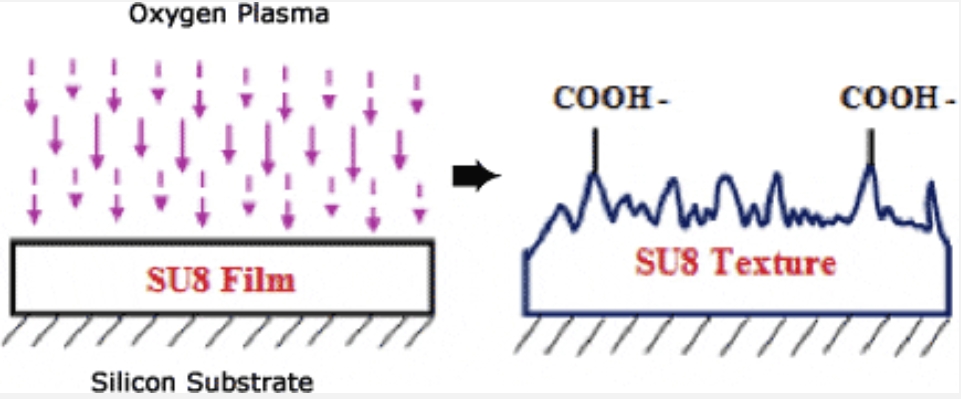
The polymer surface has to be rendered hydrophilic to enhance capillary flow. To this end, wet chemical or plasma-based processes may be used. Oxygen plasma activation of polymer surfaces is widely used to achieve a highly hydrophilic SU-8 surface as a result of CO and COO groups formed on the surface. This yields completely wettable surfaces with water contact angles of less than five degrees. A plasma treatment increases surface energy and often increases the surface roughness.

Functionalization

Methods for SU-8 surface functionalization, especially for bioanalytical applications, are described in the recent literature. For example, functional films such as enzyme-immobilized layers or biocompatible layers have been attached to SU-8. Biomolecules on SU-8 are of interest because of their application in bioMEMS, biomolecule immobilization related assays, biosensors, membrane bioreactors, clinical diagnostics, molecular biology, agriculture, environmental science and the chemical / biochemical industry.

SU-8 Series: Benefits/Attributes

  • High aspect ratio imaging
  • 0.5 to >200µm in a single coat
  • Superb chemical and temperature resistance
  • Optical transparency
  • Photolithography is more cost effective compared to Si and glass micromachining.
Image 1. Exposure of SU-8 thin/thick film to O2 plasma.

Diagram: R.A.Singh ME Dept., Nat. U of Singapore

Electrowetting

Permanent Epoxy Photoresist for Pixel Grids in Electrowetting

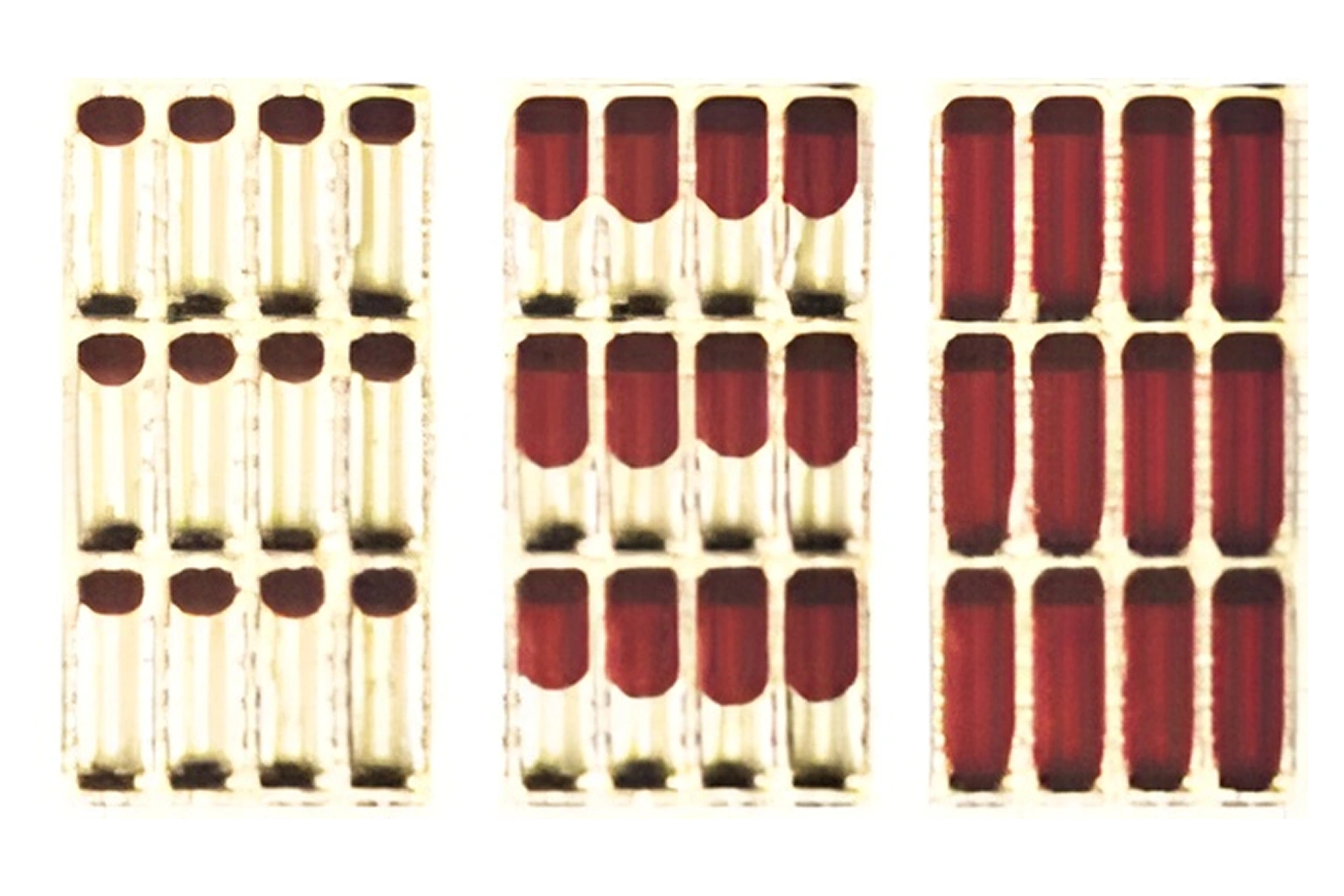
In electrowetting, liquid surface tensions are modified by applying a field potential. With no voltage applied, colored oil lies flat between water and the electrode within a defined well. When a voltage is applied between the electrode and water, the tension changes and the water then forces the oil aside.

In electrowetting displays (EWD), the use of an active matrix TFT back-plane can control each pixel allowing for high speed and video content. Because electrowetting is low power, this is an attractive technology for many applications. Electrowetting displays can also be used in both reflective and transmissive modes and offer higher brightness compared with other reflective technologies.

Electrowetting is also used for a wide range of microfluidic lab-on-chip applications.

SU-8: Benefits/Attributes

  • Highly crosslinked system with high structural strength
  • High contrast with vertical sidewalls
  • High aspect ratio imaging
  • High fill factor pixel walls
  • Ability to adhere to fluoropolymers
  • Fast photospeeds for high volume manufacture
Rows of small red-filled test vials arranged in trays
Image 5. SU-8 Pixel Walls with oil shown in the on, mid and off state
Square semiconductor wafer with a grid pattern on a light background
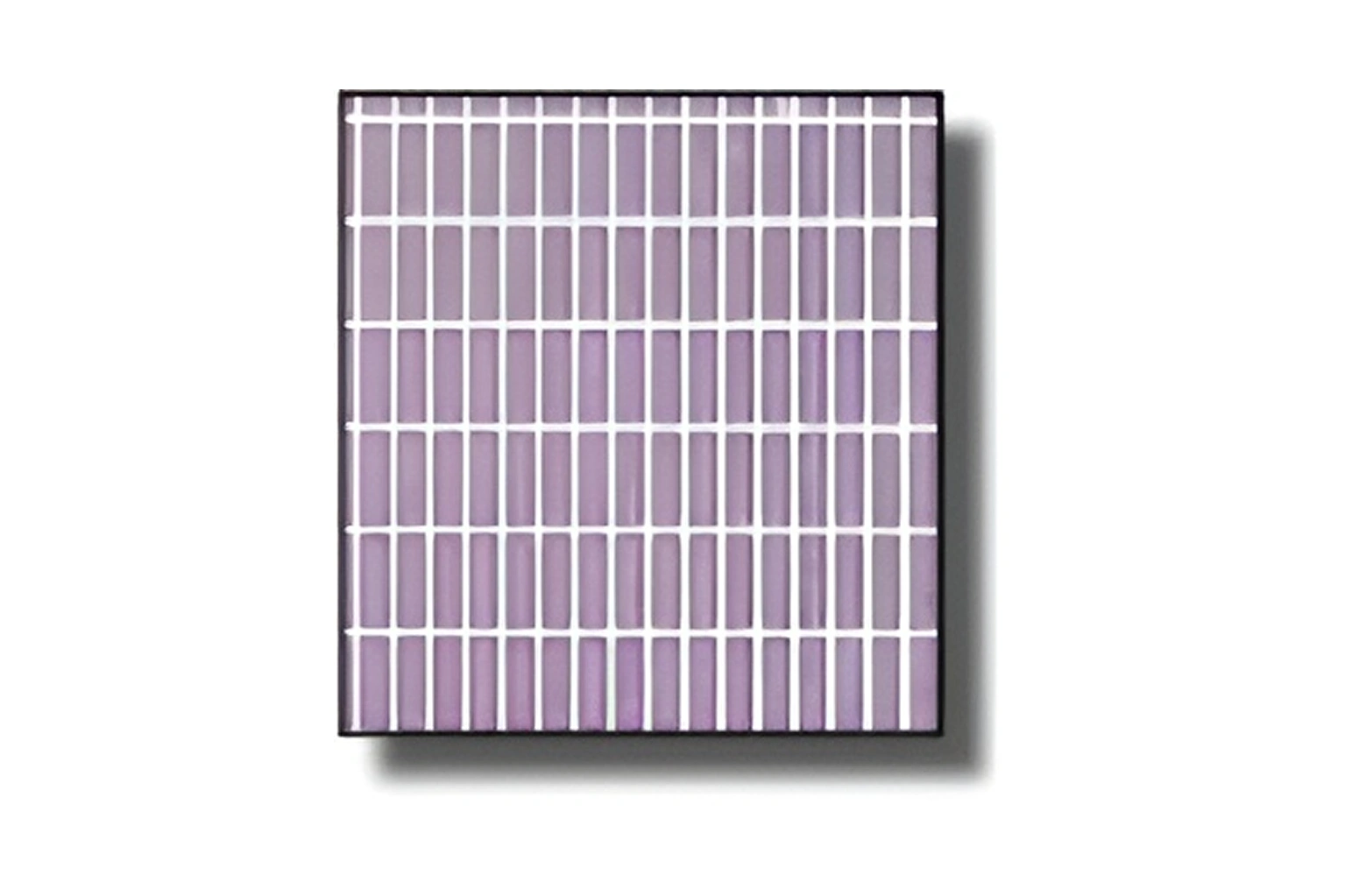
Image 6. Transmissive display using an SU-8 Grid

Courtesy of University of Cincinnati, Plastics Electronics 2010

E-Beam Lithography

PMMA Positive Resists: Benefits/Attributes

  • Positive tone
  • e-beam and x-ray imageable
  • Wide range of film thicknesses
  • Resist developers and strippers
  • Excellent adhesion to most substrates
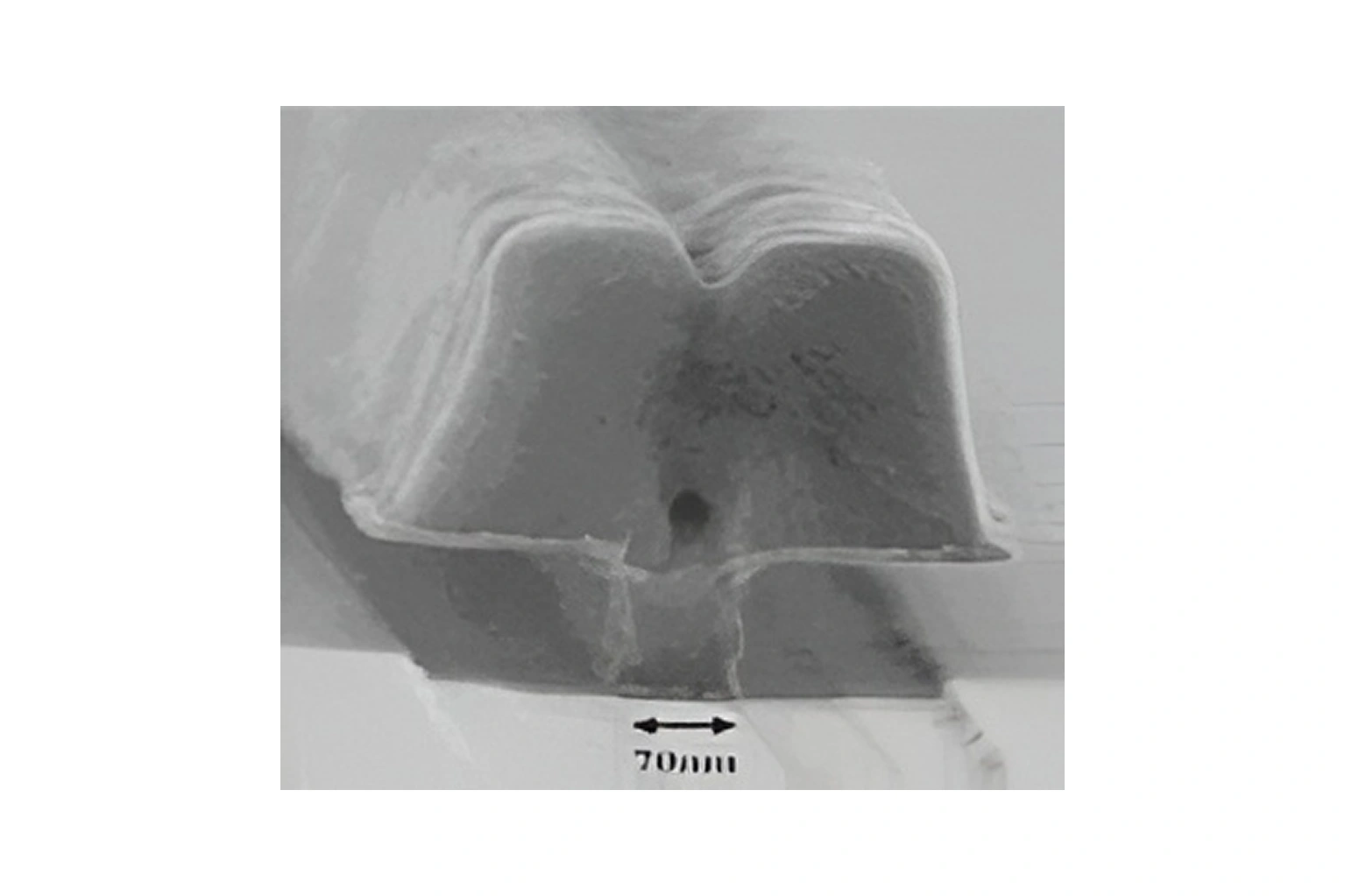
Microscopic cross-section image with a 70 nm measurement scale
Microscopic image of evenly spaced microstructures on a surface
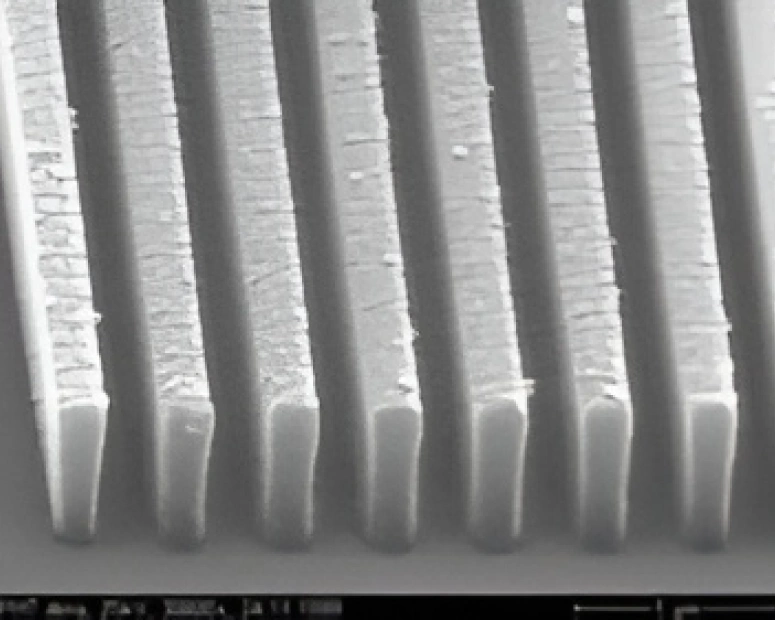
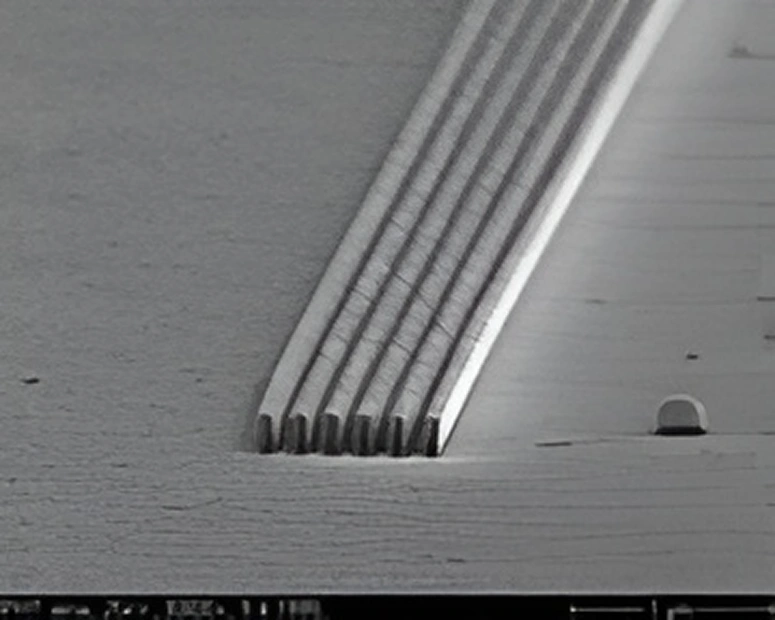
Image 3. Resist thickness: 180 nm Lines and spaces: 80 nm
Image 4. Resist thickness: 800 nm Lines and spaces: 250 nm