
Navigation

Overview

Sensitive to broadband UV exposure (i‑, h‑, and g‑line), SU‑8 TF 6000 provides excellent patterning performance for advanced microfabrication.

Available in five optimized viscosities, it produces low‑defect coatings with film thicknesses from ~0.4 to 16 μm in a single coat, making it ideal for precision microlithography and reliable thin‑film applications.

Key features

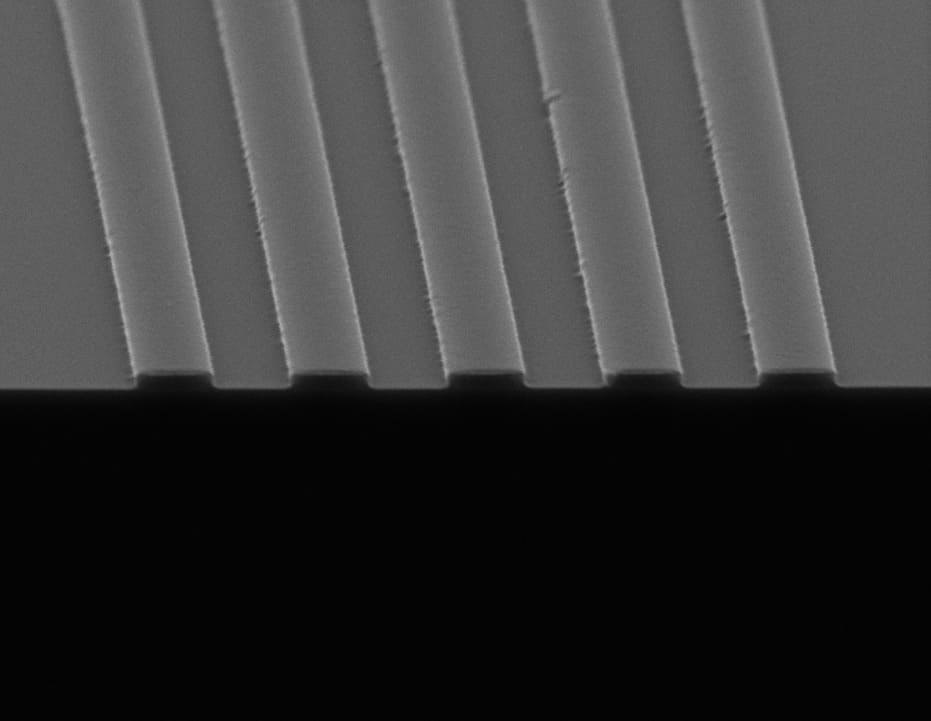
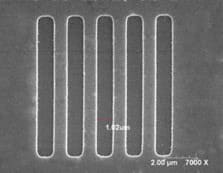
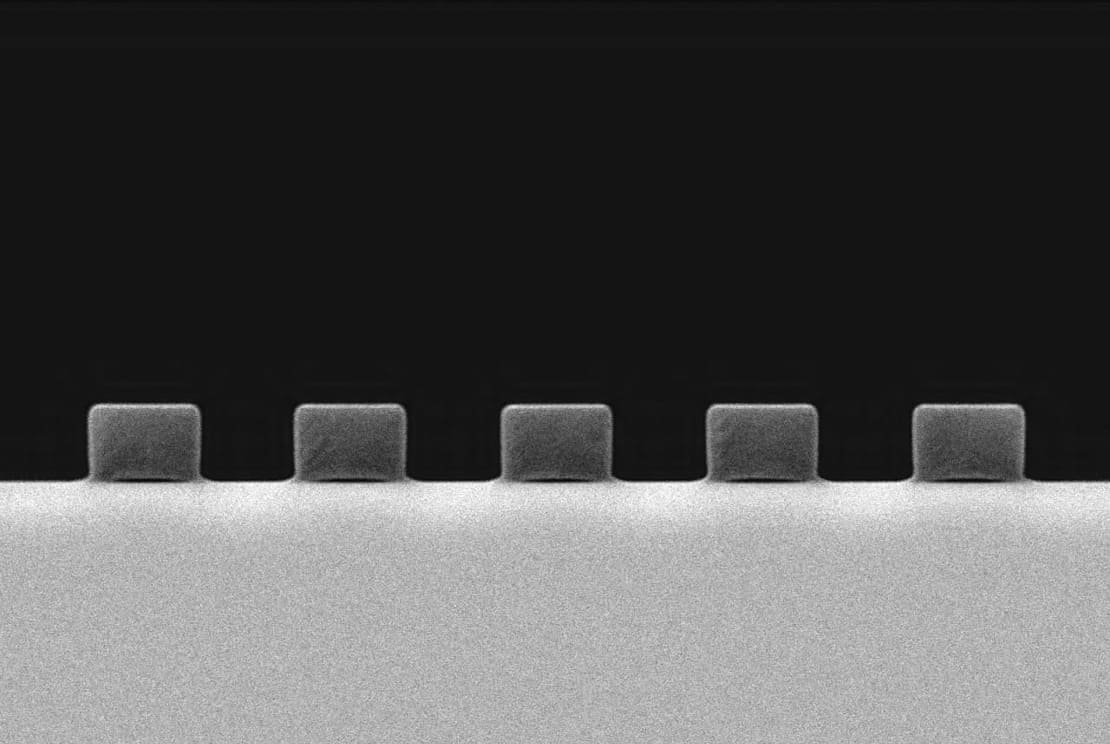
  • Photoimageable thin films with high resolution i-Line patterning capability (sub-0.5 µm lines/spaces on silicon)
  • Broadband, i-Line, g-Line and h-Line sensitivity
  • Low temperature cure (< 150°C)
  • Highly uniform coatings and good adhesion to rigid and flexible substrates
  • Outstanding thermal and chemical resistance

Application Notes

Documentation

Tech Reference #1

Enabling fast microfluidic chips fabrication: A practical guideline for microfluidics design and fabrication using photolithography for fast prototyping
Zhang, Z. et al., Journal of Micromanufacturing, 2025

Download Publication

Recommended ancillaries

Remover PG

To strip PMGI, LOR, PMMA, KMPR® 1000 & minimally cross-linked SU-8 resists
Add to Quote

CPG Thinner

To dilute SU-8 TF 6000 resists
Add to Quote

SU-8 Developer

SU-8, SU-8 3000, SU-8 TF 6000, SU-8 XFT 75 & 100, KMPR 1000, and KMSF 2000 resist development.
Add to Quote

EBR PG

Edge Bead Remover
Add to Quote

Process parameters

Coat

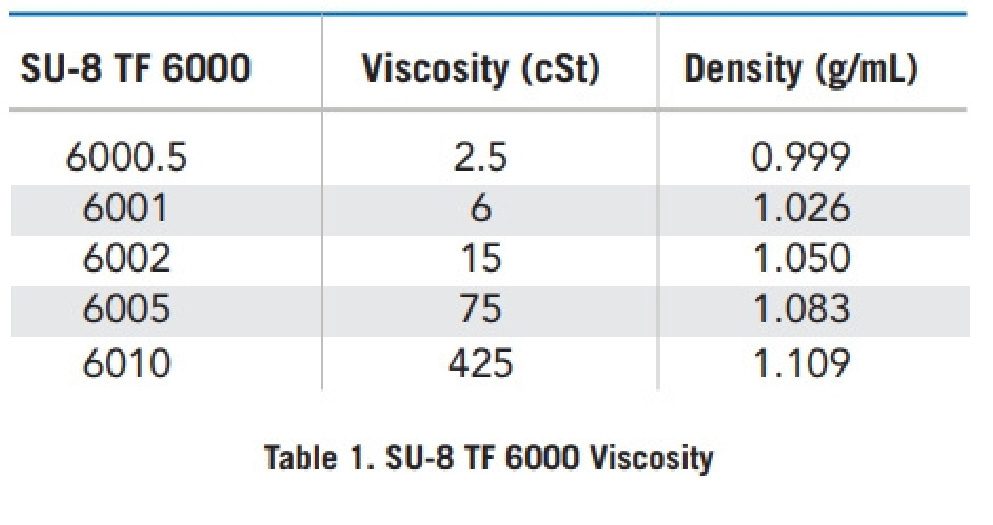
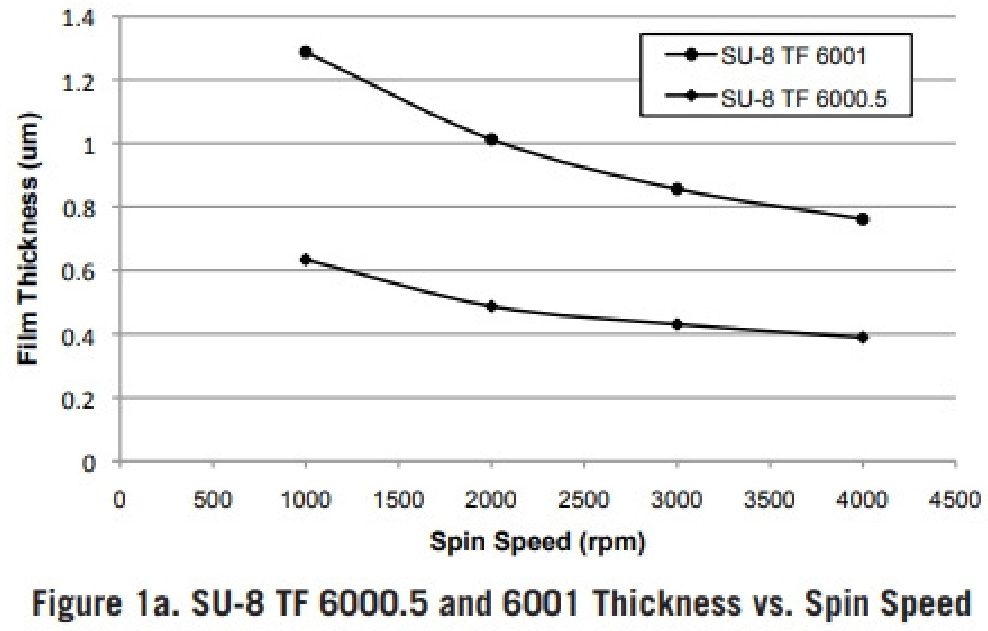
SU-8 TF 6000 resists are available in five standard viscosities, as shown in Table 1. The film thickness vs. spin speed curves are displayed in Figure 1a and 1b. The curves were generated using a Brewer Science, Model # Cee 200 coater, static dispense on 6 inch (150 mm) silicon wafers and a soft bake of 110°C (times listed in Table 2) on a level hot plate. Please note that the exact thickness obtained may be slightly offset from Figure 1 due to equipment type, coat program and environmental conditions.
 

Recommended Program

  • Dispense 1 ml of resist for each inch (25 mm) of substrate diameter.
  • Spin at 500 rpm for 5-10 seconds with acceleration of 500 rpm/second.
  • Spin at 2000-3000 rpm for 30 seconds with acceleration of 500 rpm/second.

su-8 tf 6000 viscosity tablesu-8 tf 6000.5 and 6001 thickness vs spin speed 

Soft Bake

A level hot plate with good thermal control and uniformity was used for the soft bake step of the process. Convection ovens may also be used. Table 2 shows the recommended Soft Bake temperatures and times for the various SU-8 TF 6000 products at selected film thicknesses.

Exposure

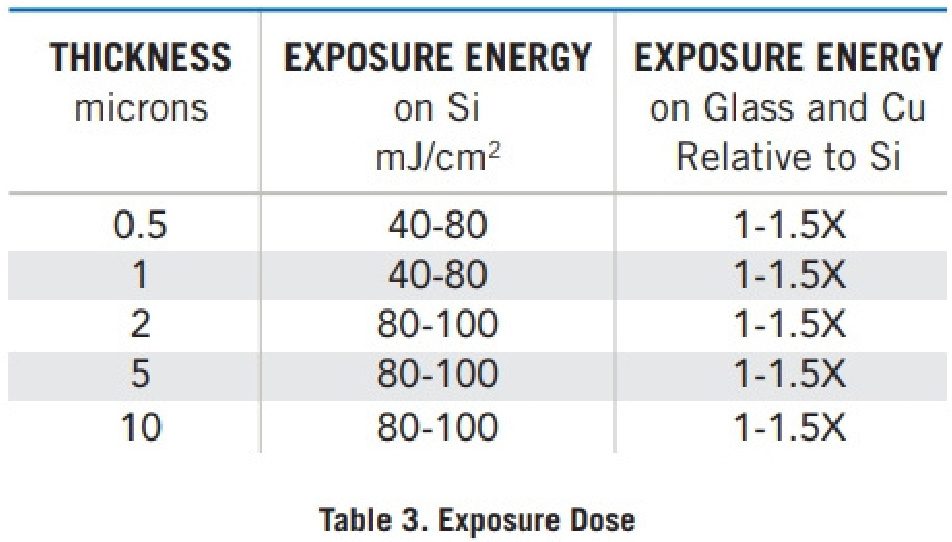
SU-8 TF 6000 resist series is compatible with i-, g- and h-Line or broadband exposure tools. Table 3 gives the recommended baseline exposure dose to produce 10 μm lines and spaces on silicon, glass (soda lime) and copper at various resist thicknesses obtained in contact mode using an EVG 620 mask aligner with a 500 watt mercury short arc lamp and PL-360LP long pass filter (www.omegafilters. com).

The exposure dose is dependent on the spectral output and measured wavelength, and should be adjusted accordingly. The use of a long pass filter to obtain vertical sidewalls in 0.5-10 μm thick films during broad band exposure is not mandatory, as T-topping is not observed for developed resist profiles in that thickness range.

Without a long pass filter, the optimal exposure dose is expected to be lower than listed in Table 3.

su-8 tf 6000 exposure dose

Post Exposure Bake

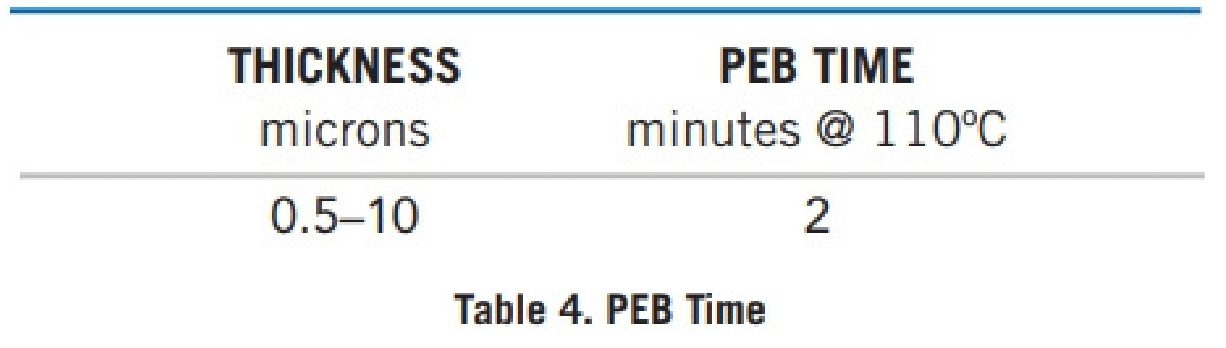
A post exposure bake (PEB) is required to complete the curing reaction and should take place directly after exposure.

su-8 6000 peb time

Development

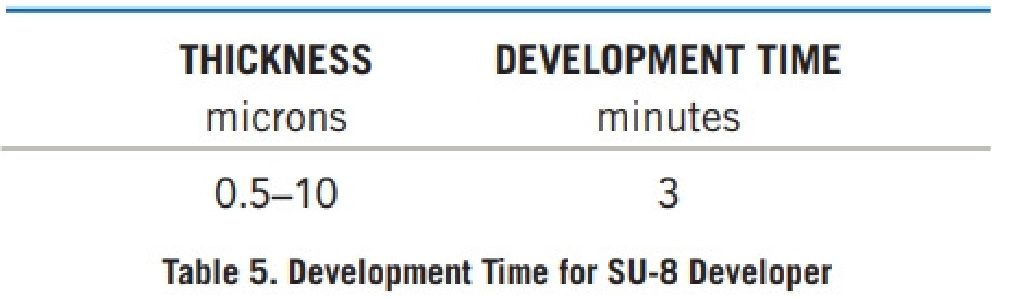
SU-8 TF 6000 series resists have been optimized for development in solvent-based SU-8 Developer. They can be developed in a variety of develop modes including immersion, spray, puddle or spray/ puddle.

su-8 6000 development time for su-8 developer